Children Support - Dr Amon Mkoga Foundation
Main menu:
Programs
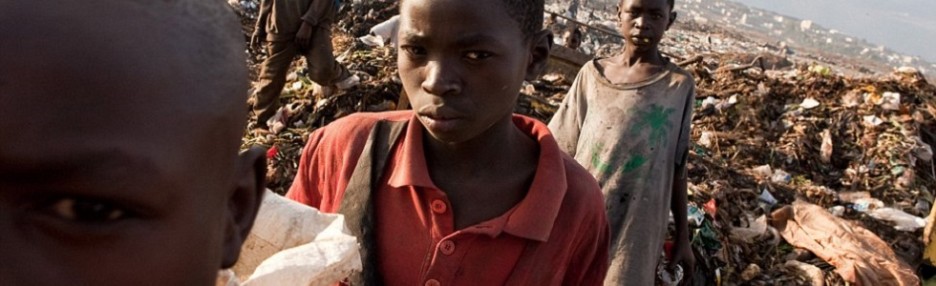
Most Vulnerable Children (Mvc)
By
2009, an estimated 2.6 million Tanzanian children were orphans, including 1.3
million who had lost one or both parents as a result of AIDS. Over half of
these children are living with grandparents and 30 percent with other
relatives, yet these children are still more vulnerable to poverty, sexual
abuse and poor nutrition than children who live with both parents.
12 percent
of children orphaned by AIDS are estimated to be heading households. By end of
2009, more than 700,000 children had been identified as ‘most vulnerable’
following a criteria and identification process implemented by communities.
Responses
to these vulnerable children, however, have emphasized material needs,
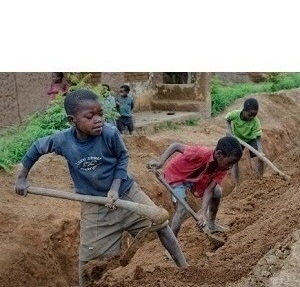
such
as school fees and clothing, and have not addressed the significant protection
risks. Most of this support has also missed the most vulnerable youngest
children.
Concerned Efforts
The
organization is working to improve the life of orphans and most vulnerable
children to enable them to cope with the critical situations they face. The
organization has established the project to provide care and support and moral
guidance to the orphans and most vulnerable children in Tabora region. The
establishment of the orphan’s support project in Tabora region was a result of
the situational analysis which indicates the numbers of young children who are
vulnerable due to HIV/AIDS.
The
organization conducted a get to get together lunch event on 20th of December
2012 to scale-up the response to survivals, growth and protection to orphan and
most vulnerable children affected and infected by HIV/AIDS. The event was meant
to make these groups enjoy the Christmas day and the stepping stone towards the
establishment of a sustainable program to support this vulnerable group. This
project was implemented under the community empowerment program, which intended
to mobilize community member’s using their internal resources to support the
groups in needs.